What is follicular unit extraction?
Follicular unit extraction is a medical treatment of harvesting or drawing out donor hair in a treatment referred to as follicular unit hair transplant. During this procedure, a small instrument is generally made use of to make little circular laceration on the skin around the follicular unit therefore separating it from surrounding tissues. The device is then removed from the scalp directly leaving a small hole open. This procedure is normally duplicated by the surgeon up until makes sure that he has gathered the needed quantity of follicular units forhair restoration.
Why would I pick FUE?
Although this FUE hair transplant effectiveness is nearly the like the old treatment (rooting out hair form one part of the body and embedding it in another) this method is incredibly popular because it actually renders a more natural looking outcomes and it is also less agonizing. Although the healing time depends on your skin type, client who use this technique have the tendency to health faster than those who use other approaches. For that reason, you select this approach because it is a proven medical treatment that has well research to work, it is less unpleasant and has short recuperation period.
Follicular unit extraction is a medical treatment of harvesting or drawing out donor hair in a treatment referred to as follicular unit hair transplant. During this procedure, a small instrument is generally made use of to make little circular laceration on the skin around the follicular unit therefore separating it from surrounding tissues. The device is then removed from the scalp directly leaving a small hole open. This procedure is normally duplicated by the surgeon up until makes sure that he has gathered the needed quantity of follicular units forhair restoration.
Why would I pick FUE?
Although this FUE hair transplant effectiveness is nearly the like the old treatment (rooting out hair form one part of the body and embedding it in another) this method is incredibly popular because it actually renders a more natural looking outcomes and it is also less agonizing. Although the healing time depends on your skin type, client who use this technique have the tendency to health faster than those who use other approaches. For that reason, you select this approach because it is a proven medical treatment that has well research to work, it is less unpleasant and has short recuperation period.
What is the distinction between FUE and FUT?
FUE is a medical procedure where follicular systems are eliminated one by one straight from the donor scalp. On the other hand follicular device transplant (FUT) is the case where the donor hair is gotten rid of from the scalp in one thin long strip then consequently subdivided into individual follicular units by the assistance of a microscopic lense.
How long does it take?
This process can in fact take one and even more hours and in many cases in can even take more than two days. The surgeon will certainly perform a number of tests and the procedure can take one or more hours depending upon numerous aspects such as your skin type and the replacement location.
Does it actually harm?
fue hair transplant singapore accredited clinicThis medical procedure does not hurt. Prior to the surgery starts, the FUE hair transplant singapore accredited clinic will certainly first administer anesthesia to avoid the client from feeling any pain during the procedure. Nevertheless, quite a variety of patients have actually reported to have experienced discomfort after undergoing through this treatment. There is also high dullness threshold due to the time taken to go through this procedure.
FUE is a medical procedure where follicular systems are eliminated one by one straight from the donor scalp. On the other hand follicular device transplant (FUT) is the case where the donor hair is gotten rid of from the scalp in one thin long strip then consequently subdivided into individual follicular units by the assistance of a microscopic lense.
How long does it take?
This process can in fact take one and even more hours and in many cases in can even take more than two days. The surgeon will certainly perform a number of tests and the procedure can take one or more hours depending upon numerous aspects such as your skin type and the replacement location.
Does it actually harm?
fue hair transplant singapore accredited clinicThis medical procedure does not hurt. Prior to the surgery starts, the FUE hair transplant singapore accredited clinic will certainly first administer anesthesia to avoid the client from feeling any pain during the procedure. Nevertheless, quite a variety of patients have actually reported to have experienced discomfort after undergoing through this treatment. There is also high dullness threshold due to the time taken to go through this procedure.
Is it really safe?
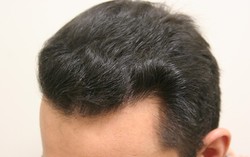
If you are trying to find the safest method to restore you hair particularly in the frontal region, then follicular unit extract is the best medical procedure to pick. It is a medical treatment that has been well investigated and proven to work. It is the best technique to utilize to ensure that you lost hair is brought back naturally therefore giving you the appearance that you have actually always wanted.
If you are trying to find the safest method to restore you hair particularly in the frontal region, then follicular unit extract is the best medical procedure to pick. It is a medical treatment that has been well investigated and proven to work. It is the best technique to utilize to ensure that you lost hair is brought back naturally therefore giving you the appearance that you have actually always wanted.
Exist any side effects?
Numerous patients who have actually undergone through this FUE hair transplant donor density medical treatment have not reported to have experience any negative effects. In truth, the majority of them have reported to have much faster recuperate time and enhanced appearance. However, just like other surgery, there are threat involved. Patients are guidance to ensure that this medical treatment is done by a certified surgeon who has focused on FUE to lessened adverse effects dangers. In obsession if you are suffering from any long term medical condition such as diabetes or hypertension, it is suggested that you initially consult your physician.
You can find anything you need to know about this article by go to this web-site.
Numerous patients who have actually undergone through this FUE hair transplant donor density medical treatment have not reported to have experience any negative effects. In truth, the majority of them have reported to have much faster recuperate time and enhanced appearance. However, just like other surgery, there are threat involved. Patients are guidance to ensure that this medical treatment is done by a certified surgeon who has focused on FUE to lessened adverse effects dangers. In obsession if you are suffering from any long term medical condition such as diabetes or hypertension, it is suggested that you initially consult your physician.
You can find anything you need to know about this article by go to this web-site.
 RSS Feed
